April 14, 2026
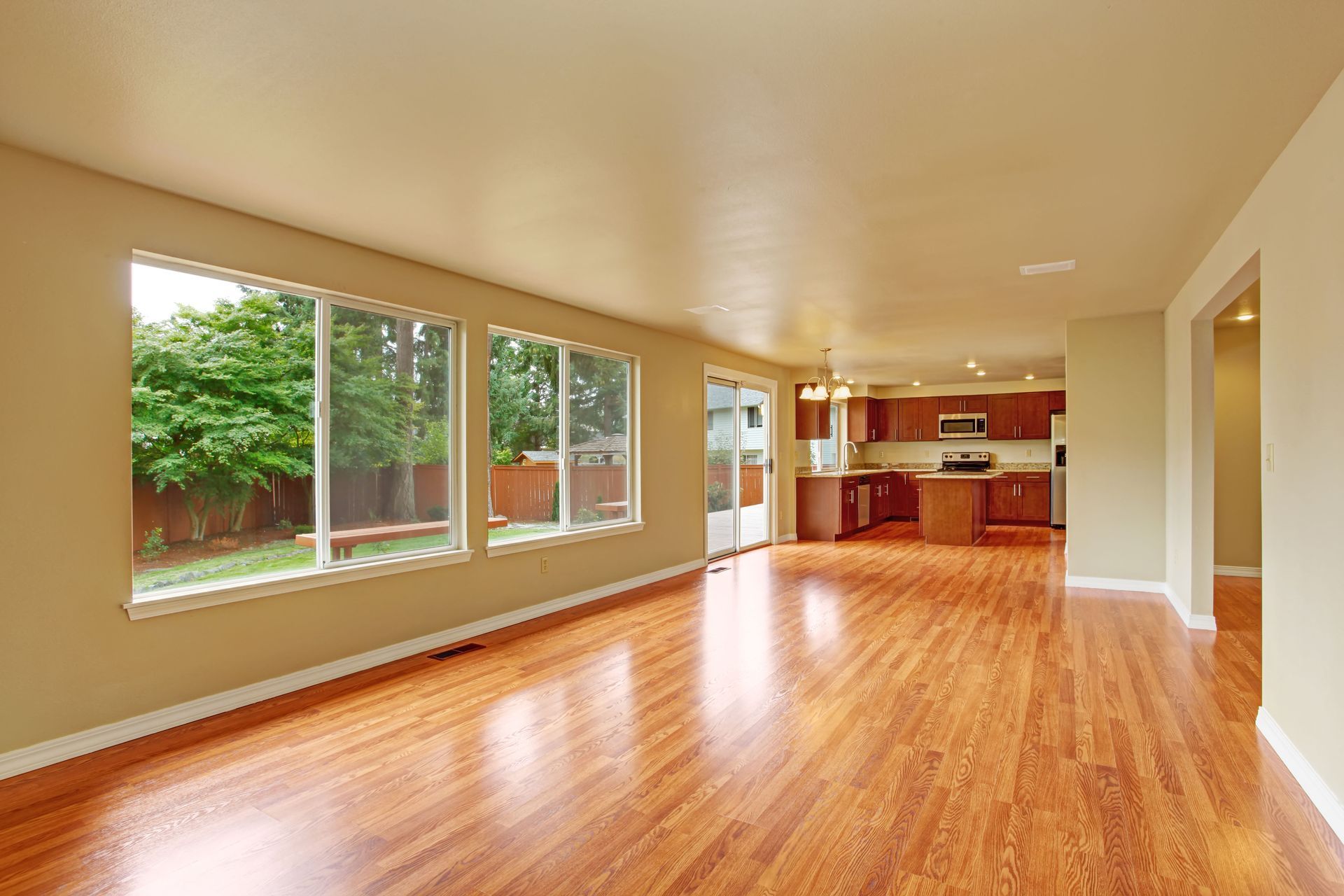
Choosing the right flooring for your home is more than just a design decision—it’s a long-term investment that affects your comfort, lifestyle, and even the value of your property. Hardwood flooring and laminate are two of the most popular options, each with its own set of advantages and challenges. Understanding their differences, costs, maintenance needs, and aesthetic appeal can help you make a choice that fits both your taste and your budget.
Evaluating Durability and Lifespan
When it comes to durability, hardwood flooring has a long-standing reputation for standing the test of time. Solid hardwood can last decades with proper care, and even when it shows signs of wear, it can be refinished multiple times to restore its original beauty. This makes it a smart investment for areas of your home that experience frequent foot traffic or that you plan to live in for many years.
Laminate flooring, on the other hand, is made from composite wood with a photographic layer that mimics natural wood. While it is resistant to scratches, dents, and fading, it generally cannot be refinished. Once the surface wears out or becomes damaged, the planks must be replaced. For households with pets or children, laminate may still be a practical choice due to its high scratch resistance, but it won’t age in the same way that hardwood does.
Moisture resistance is another factor impacting durability. Hardwood flooring is susceptible to warping or swelling in humid environments unless it is engineered or properly sealed. Laminate often comes with a water-resistant core that allows it to handle occasional spills better, making it suitable for kitchens or basements where moisture may be present. Understanding the demands of your home environment will help you determine which flooring type can withstand daily life with minimal issues.
Finally, consider the resale value. Homes with hardwood floors often appeal to buyers more than those with laminate because of their classic look and perceived longevity. According to the National Wood Flooring Association, the United States hardwood flooring industry produces $8.5 billion in economic output, highlighting its popularity and enduring demand. Investing in hardwood can add long-term value to your home, whereas laminate is primarily a cost-effective, short- to mid-term solution.
Comparing Aesthetic Appeal and Design Options
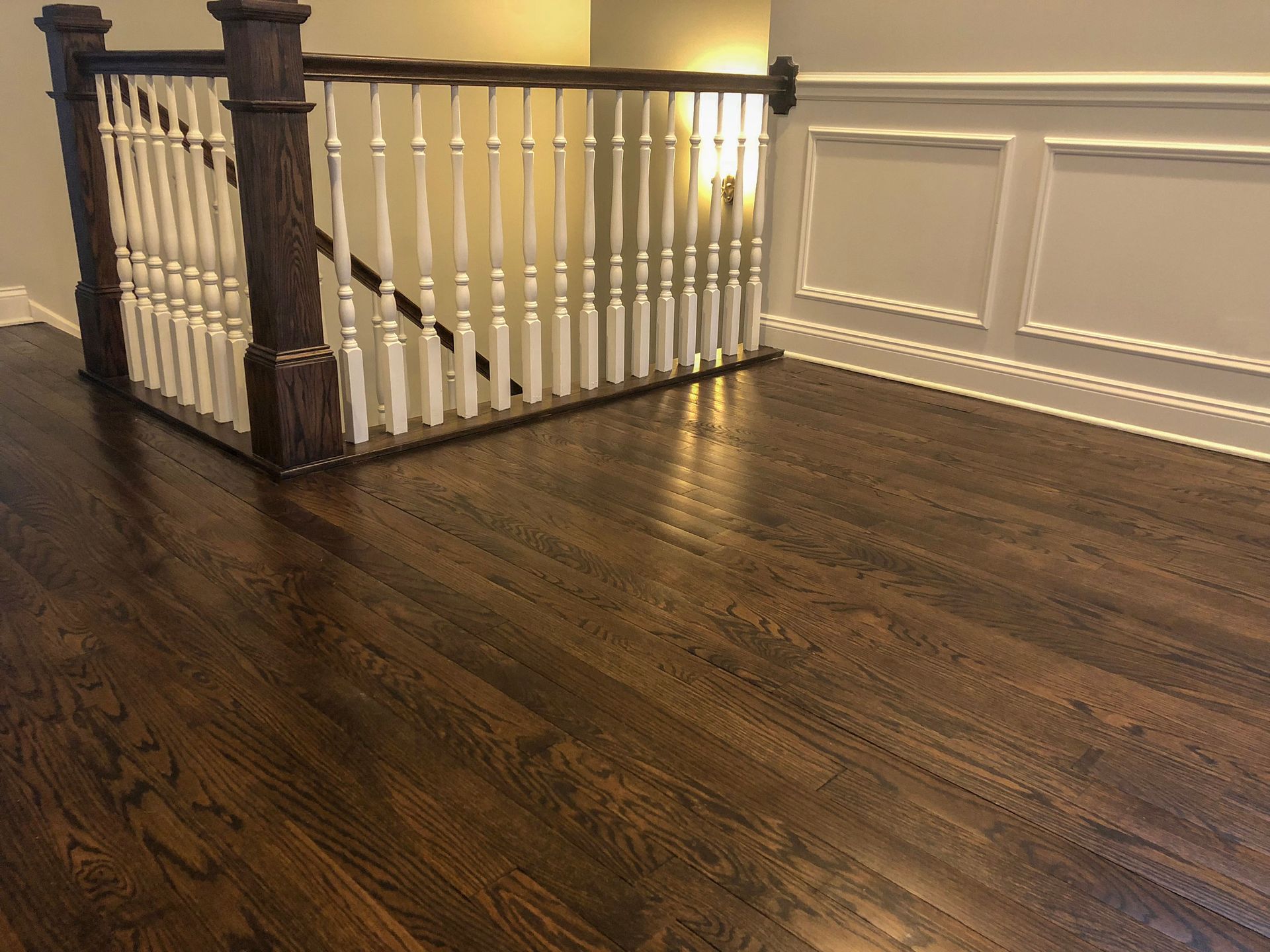
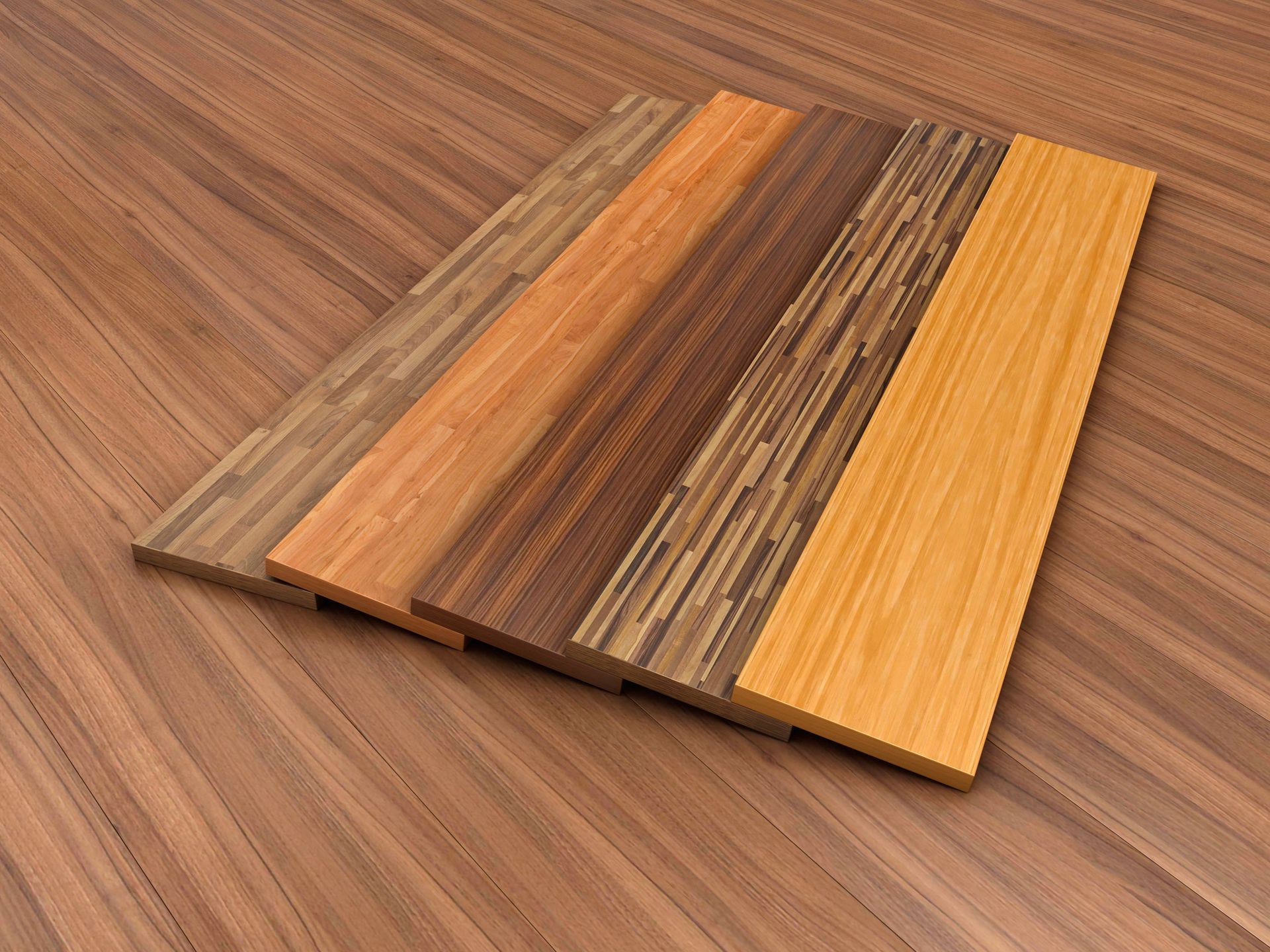
Aesthetic appeal is a key consideration in any flooring decision. Hardwood flooring is prized for its natural grains, textures, and color variations that create warmth and elegance in a room. Each plank is unique, providing a sense of authenticity that is difficult to replicate with synthetic materials. Homeowners can choose from a wide range of species, including oak, maple, cherry, and walnut, each offering a distinct look and tone.
Laminate has come a long way in mimicking the appearance of real wood. High-definition photographic layers can convincingly replicate exotic woods, intricate grains, and even the knots and imperfections that give hardwood its character. Modern laminate floors also offer varied finishes, from matte to high gloss, allowing for creative design flexibility at a fraction of the cost of natural hardwood.
Color and pattern versatility is another advantage of laminate. It can easily adapt to contemporary or eclectic decor, offering wide planks, herringbone patterns, or even gray-toned options that may be harder to find in real wood. Hardwood flooring, while beautiful, is more limited to the natural tones of each wood species, although staining and finishing can expand your choices.
Finally, consider the long-term look of the floor. Hardwood develops a patina over time, deepening in color and becoming richer with age. Laminate maintains its original appearance longer but may start to look dated or synthetic after several years. Your personal style, design goals, and the intended lifespan of your flooring should guide which option suits your home best.
Assessing Installation and Maintenance Needs
Installation is a practical factor that can influence your decision between hardwood and laminate. Hardwood flooring installation is generally more labor-intensive, often requiring professional expertise. Solid wood planks may need acclimation to your home's humidity levels before installation, and precise cutting and nailing are essential to ensure a smooth, level floor. Engineered hardwood offers a slightly easier installation process, but both types still require careful handling.
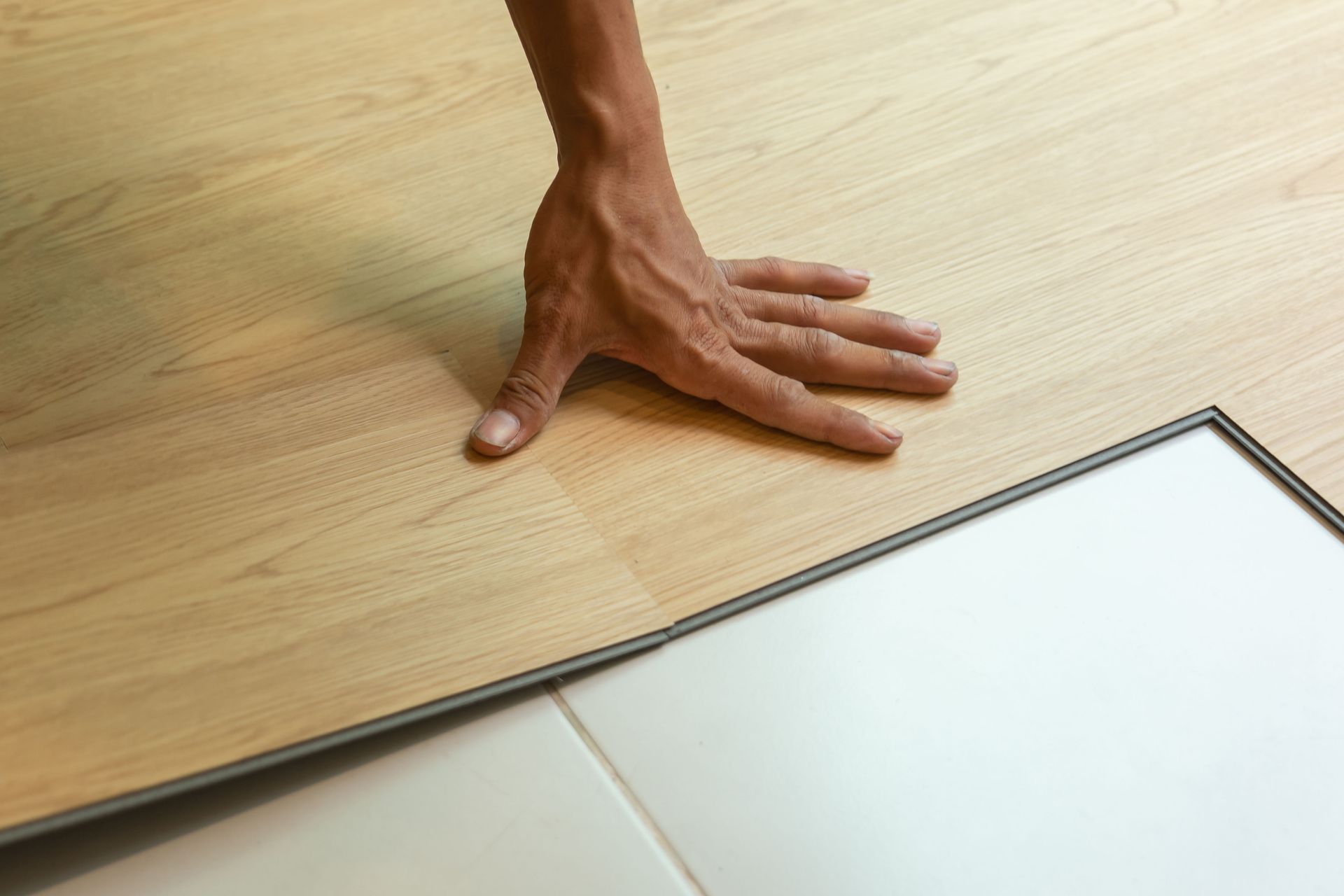
Laminate flooring, in contrast, is typically easier and quicker to install. Most laminate systems are click-and-lock, allowing homeowners to complete DIY projects without specialized tools. Laminate can often be installed over existing subfloors or even over some types of old flooring, saving both time and money. This ease of installation makes it an appealing choice for those looking to renovate a room quickly or on a budget.
Maintenance is another significant difference. Hardwood floors require regular sweeping or vacuuming to prevent scratches and periodic refinishing to maintain their shine. Certain cleaning products must be avoided to prevent damage, and humidity control is important to minimize warping. Laminate is lower-maintenance, needing only routine sweeping and damp mopping. Its protective wear layer keeps it looking fresh without refinishing, making it ideal for busy households or renters.
Long-term costs also tie into installation and maintenance considerations. While hardwood may have higher upfront costs, its longevity can offset initial investment if properly maintained. Laminate provides a lower initial cost and minimal upkeep, but replacement may be needed sooner than hardwood, especially in high-traffic areas. Weighing your available budget, DIY willingness, and long-term commitment will help you choose the right flooring type.
Evaluating Cost and Value for Your Home
Budget is often the deciding factor when choosing between hardwood floors and laminate. Hardwood flooring is a premium product, with costs varying based on wood species, plank width, and finish. The initial investment can be significant, but the potential for refinishing and its positive impact on resale value can make it worthwhile for many homeowners.
Laminate is a cost-effective alternative, often priced at a fraction of the cost of hardwood. This makes it attractive for larger spaces, rental properties, or homeowners looking for a stylish floor without the high price tag. While it lacks the long-term refinishing potential of hardwood, laminate allows for easy updates and replacements, which may appeal to those who frequently change their interior decor.
Consider the total value of your investment. Hardwood flooring tends to increase home equity and market appeal, making it an investment that pays off over time. Laminate may save money upfront, but it could be less attractive to prospective buyers if you decide to sell. This is especially relevant in markets where natural wood flooring is highly sought after.
Lastly, factor in hidden costs such as underlayment, acclimation, or specialized tools for installation. Hardwood may require more preparation, while laminate typically comes with integrated underlayment and fewer installation complications. Balancing upfront costs, maintenance, longevity, and resale impact will guide you toward the flooring choice that aligns with your financial and lifestyle goals.
Making the Right Flooring Choice
The decision between hardwood floors and laminate comes down to your priorities, lifestyle, and budget. Hardwood offers timeless elegance, long-term durability, and potential resale value, making it ideal for homeowners seeking a long-lasting investment. Its natural beauty, versatility in species and finishes, and ability to be refinished make it a preferred choice for many.
Laminate, on the other hand, provides practicality, affordability, and design flexibility. It is well-suited for households with pets, children, or areas prone to moisture. While it may not have the same lifespan or resale appeal as hardwood, laminate can deliver a beautiful, low-maintenance floor that fits within your budget.
When choosing your flooring, consider your home environment, the level of foot traffic, and your willingness to maintain or invest in the floor over time. Hardwood flooring is an enduring classic with a market worth billions, reflecting its widespread appeal and lasting value. Laminate offers a cost-conscious, versatile alternative that can meet modern demands without compromising style.
By weighing the factors of durability, aesthetics, installation, maintenance, and cost, you can confidently select the flooring that aligns with your needs. Whether you choose the timeless charm of hardwood or the practical benefits of laminate, your flooring will set the foundation for years of comfort and style in your home. Upgrade your home with the timeless beauty of laminate or hardwood flooring—Taylor Carpets and Flooring offers a wide selection to fit every style and budget. Visit us to explore your flooring options and transform your space.