June 12, 2026
Engineered hardwood has become a preferred option for property owners who want a refined interior surface that balances natural character with structural dependability. It offers a distinct visual presence while addressing common concerns tied to environmental fluctuation and long-term wear. Unlike many surface materials that prioritize either appearance or performance, this flooring category is designed to bridge both needs in a single installation system.
One of the key reasons it continues to gain attention is its ability to maintain its visual appeal across a wide range of residential and commercial environments. Many homeowners also appreciate how it aligns with traditional design expectations while offering modern installation advantages. In fact, according to the National Wood Flooring Association, hardwood flooring can remain both durable and visually appealing for up to 100 years when properly maintained, underscoring its long-standing reputation for longevity in well-cared-for environments.
This combination of performance and aesthetic consistency has made engineered systems a practical choice for spaces that demand both beauty and resilience. Within this article, the most recognizable characteristics of engineered hardwood will be explored in detail, highlighting what makes it a distinctive material in today's flooring landscape.
1. Layered Construction and Structural Stability
Plywood Core Composition and Performance
Engineered hardwood flooring is defined primarily by its layered structure, which sets it apart from traditional solid formats. At its core, multiple layers of wood-based material are fused in alternating grain directions. This cross-layered design enhances dimensional stability and reduces the likelihood of movement caused by environmental shifts.
A top veneer of real wood provides the authentic appearance associated with premium surfaces, while the underlying structure reinforces the material against stress. This balance of aesthetics and engineering allows the product to perform consistently across different installation environments.
In practical terms, this construction method also supports more predictable performance over time. Where traditional materials may expand or contract significantly, engineered variants maintain a more controlled response to humidity and temperature changes. This is particularly valuable in regions where seasonal variation is pronounced.
Within broader flooring categories, hardwood flooring systems that utilize layered construction are often selected for their adaptability and reduced susceptibility to structural distortion. This makes them suitable for a wide range of architectural applications where stability is a priority.
Resistance to Warping and Movement
One of the most identifiable benefits of engineered construction is its resistance to warping. Because each layer is positioned with opposing grain directions, internal tension is balanced more effectively than in single-plank materials. This structural equilibrium reduces the risk of cupping, bowing, or twisting over time.
Environmental fluctuations are a primary cause of movement in wood-based surfaces. When moisture levels rise or fall, materials that lack structural reinforcement tend to respond unevenly. Engineered formats mitigate this effect by distributing stress across multiple layers, allowing the surface to remain visually consistent.
This quality becomes especially important in installations where flooring spans large, open areas. In such settings, even minor dimensional changes can become visually noticeable. Engineered products reduce that risk, ensuring a smoother, more uniform appearance throughout the space.
From a performance standpoint, this resistance also contributes to fewer long-term maintenance concerns. Property owners often find that engineered systems require less corrective adjustment compared to more reactive materials. As a result, engineered installations are frequently chosen for both new construction and renovation projects where long-term stability is a priority.
2. Moisture Resistance and Environmental Adaptability
Dimensional Stability in Humid Conditions
Moisture exposure is one of the most significant challenges for any wood-based surface. Engineered hardwood flooring addresses this issue through its layered composition, which helps regulate how the material responds to humidity changes.
Because each layer is bonded in alternating directions, moisture absorption does not impact the structure uniformly. This reduces the likelihood of noticeable expansion or contraction. As a result, the surface maintains a more consistent appearance even in environments where humidity levels fluctuate throughout the year.
This stability is particularly beneficial in regions with seasonal weather patterns. During humid summers or dry winters, materials without reinforcement may experience visible movement. Engineered systems, however, are designed to moderate these effects, preserving both form and function.
In everyday use, this means fewer gaps, less surface distortion, and improved long-term appearance retention. For many property owners, this reliability is a key reason for selecting engineered solutions over other alternatives.
Suitability Across Living Spaces
Engineered hardwood is frequently chosen for its adaptability across different interior environments. Unlike materials that are limited to specific room types, it can be used in living rooms, kitchens, hallways, and even certain below-grade spaces depending on installation conditions.
This versatility is largely due to its resistance to environmental variation. Spaces such as kitchens and entryways often experience higher levels of moisture and temperature change due to daily activity. Engineered systems are designed to handle these fluctuations more effectively than solid alternatives.
In multi-level homes, this adaptability allows for consistent flooring design throughout the property. Rather than switching materials between floors, homeowners can maintain a unified visual aesthetic while still addressing the functional needs of each space.
This consistency also contributes to interior design cohesion. A continuous surface material can visually expand smaller spaces and create a more integrated architectural flow. As a result, engineered systems are often selected for open-concept layouts and modern residential designs.
3. Aesthetic Versatility and Long-Term Value
Wide Range of Wood Species and Finishes
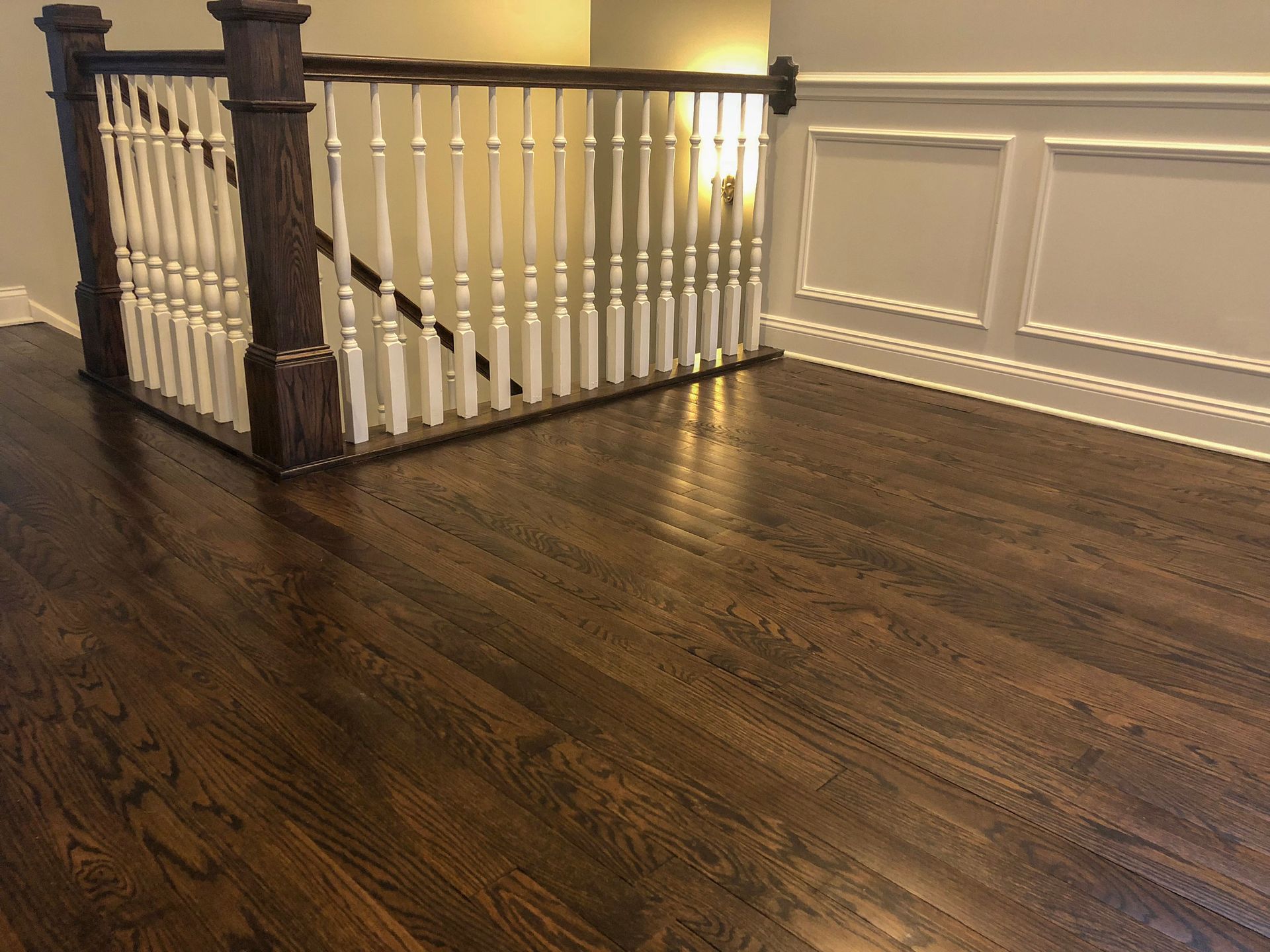
One of the most visually appealing aspects of engineered hardwood flooring is the diversity of design options available. Because the top layer consists of real wood, it can showcase a wide variety of species, each with its own distinct grain pattern, color variation, and texture.
Common selections include oak, maple, walnut, hickory, cherry, and bamboo, along with more exotic species used for distinctive interior design goals. This variety allows property owners to align flooring choices with specific architectural styles, whether traditional, contemporary, or transitional.
Finishing options further enhance customization. From matte surfaces to more polished appearances, the final treatment can significantly influence the overall character of a space. This flexibility allows for tailored design outcomes that support both subtle and bold interior concepts.
In the broader flooring industry, engineered systems are often chosen specifically for their ability to replicate the appearance of traditional hardwood flooring while expanding design possibilities beyond standard limitations.
Visual Consistency Across Installations
Another defining aesthetic quality is the consistency of appearance across installed areas. Because engineered planks are manufactured under controlled conditions, color variation and grain distribution can be more predictable compared to natural site-finished materials.
This consistency is particularly valuable in large installations where uniformity is desired. It helps create a cohesive visual field that supports clean architectural lines and balanced interior composition.
At the same time, the use of real wood veneer ensures that each plank retains natural variation, preventing the surface from appearing overly uniform or artificial. This balance between consistency and authenticity is a key reason engineered systems are widely used in modern design projects.
In many cases, this visual stability also enhances perceived space quality, contributing to a more refined and intentional interior atmosphere.
Engineered hardwood continues to stand out in the flooring industry due to its layered construction, environmental adaptability, and strong visual versatility. These characteristics work together to create a surface that performs reliably across a wide range of residential and commercial applications.
Its structural design reduces movement, its composition supports moisture resistance, and its natural veneer layer delivers the aesthetic appeal associated with traditional wood surfaces. When combined, these traits position it as a practical and visually compelling option for modern interiors.
Across all applications, hardwood flooring remains a benchmark for long-term surface quality, and engineered formats extend that legacy by introducing enhanced stability and installation flexibility without sacrificing appearance or performance. Be sure to contact Taylor Carpets and Flooring for all of your hardwood flooring needs!