July 24, 2026
Every time you walk across a room, you are interacting with the single largest design feature in your home: your flooring. It is the literal foundation of your interior style and the hardiest workhorse in your daily life. Yet, when it comes to home renovations, choosing the right flooring can feel like navigating a maze of endless options. From the sleek elegance of polished hardwood to the plush comfort of low-pile broadloom, each material brings its own set of aesthetics, maintenance requirements, and structural benefits to the table.
Making the right selection requires balancing visual appeal with pure functionality. A floor that thrives in a formal dining room could completely fail in a high-moisture environment like a bathroom. Furthermore, our flooring choices intimately impact our daily wellness. According to the EPA, people spend approximately 90% of their time indoors. Because our homes are where we spend the vast majority of our lives, the materials under our feet need to support a healthy, comfortable, and safe indoor environment. To help you transform your home into a beautiful and functional sanctuary, this guide breaks down how to choose the right flooring for every major room in your house.
The Living Room: A Family Space
The living room is the undisputed heartbeat of the home. It is where you entertain guests, binge-watch your favorite shows, play with pets, and unwind after a long day. Because it experiences both high foot traffic and maximum relaxation time, the flooring here needs to be exceptionally durable yet inviting.
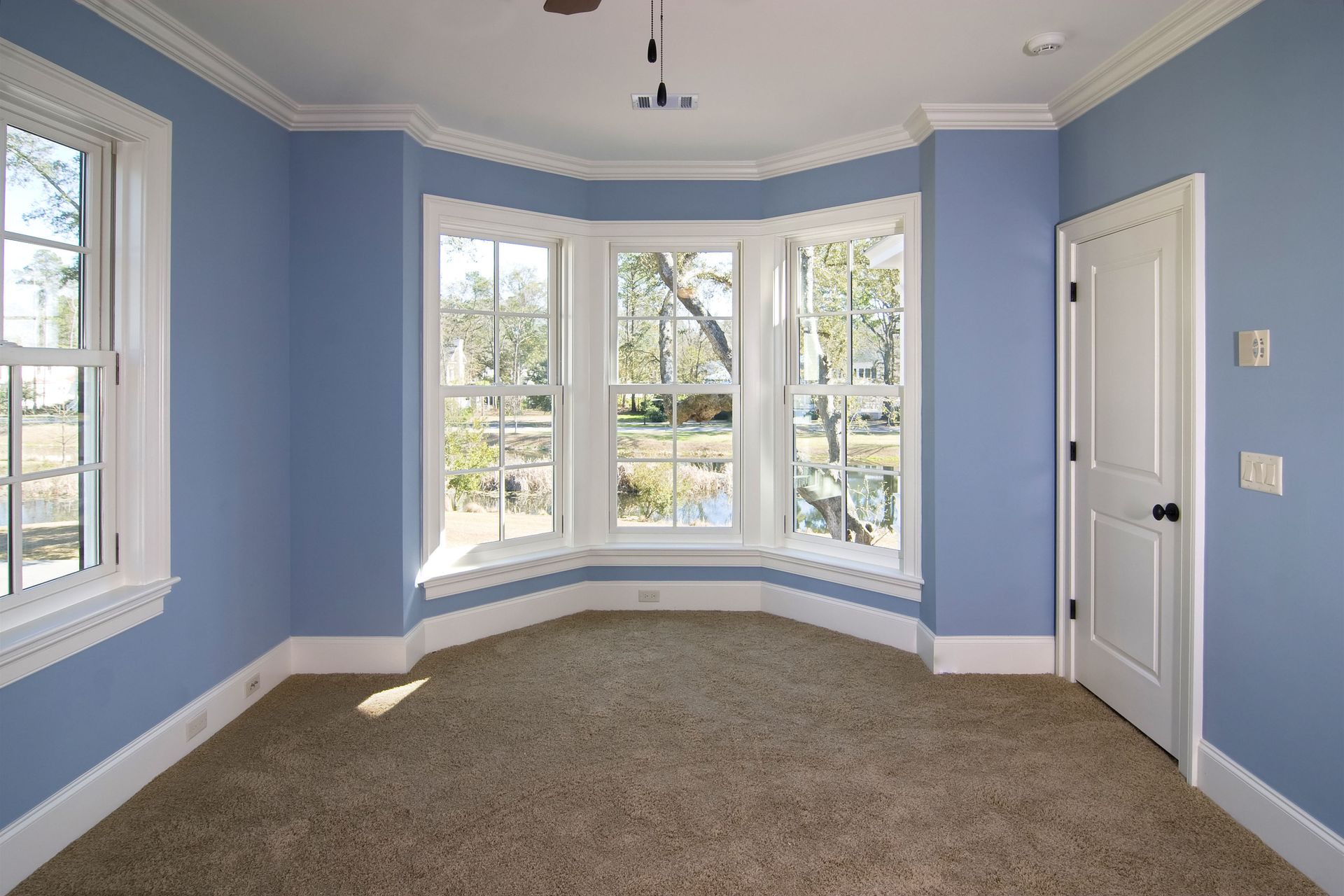
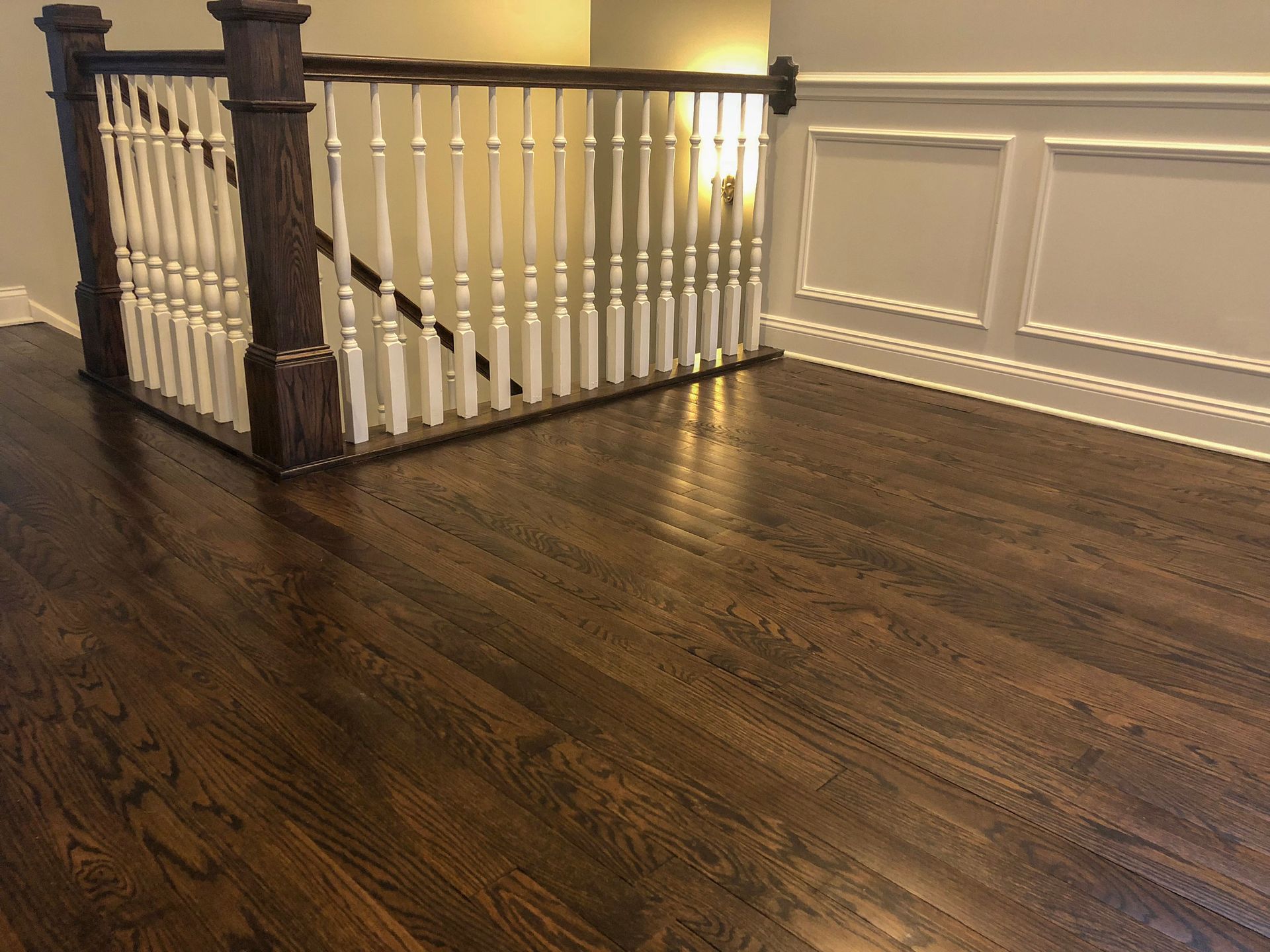
If you lean toward hard surfaces, classic hardwood or high-end engineered wood offers an elegant, long-lasting solution. Hardwood gives a timeless appeal and boosts resale value, while engineered wood provides better stability in fluctuating humidity. However, hard surfaces can sometimes feel cold or echo sound. If your goal is to maximize coziness, visiting local carpet stores is your best bet to find a high-quality wool or nylon carpet that dampens acoustics and provides a soft surface for bare feet. For the best of both worlds, layering a large, plush area rug over a hardwood floor adds texture and defines the seating area.
The Kitchen: The High-Traffic Culinary Hub
Kitchens are notoriously brutal on floors. Between dropped cast-iron skillets, spilled spaghetti sauce, heavy foot traffic, and the occasional leaking dishwasher, kitchen flooring must be incredibly resilient and water-resistant.
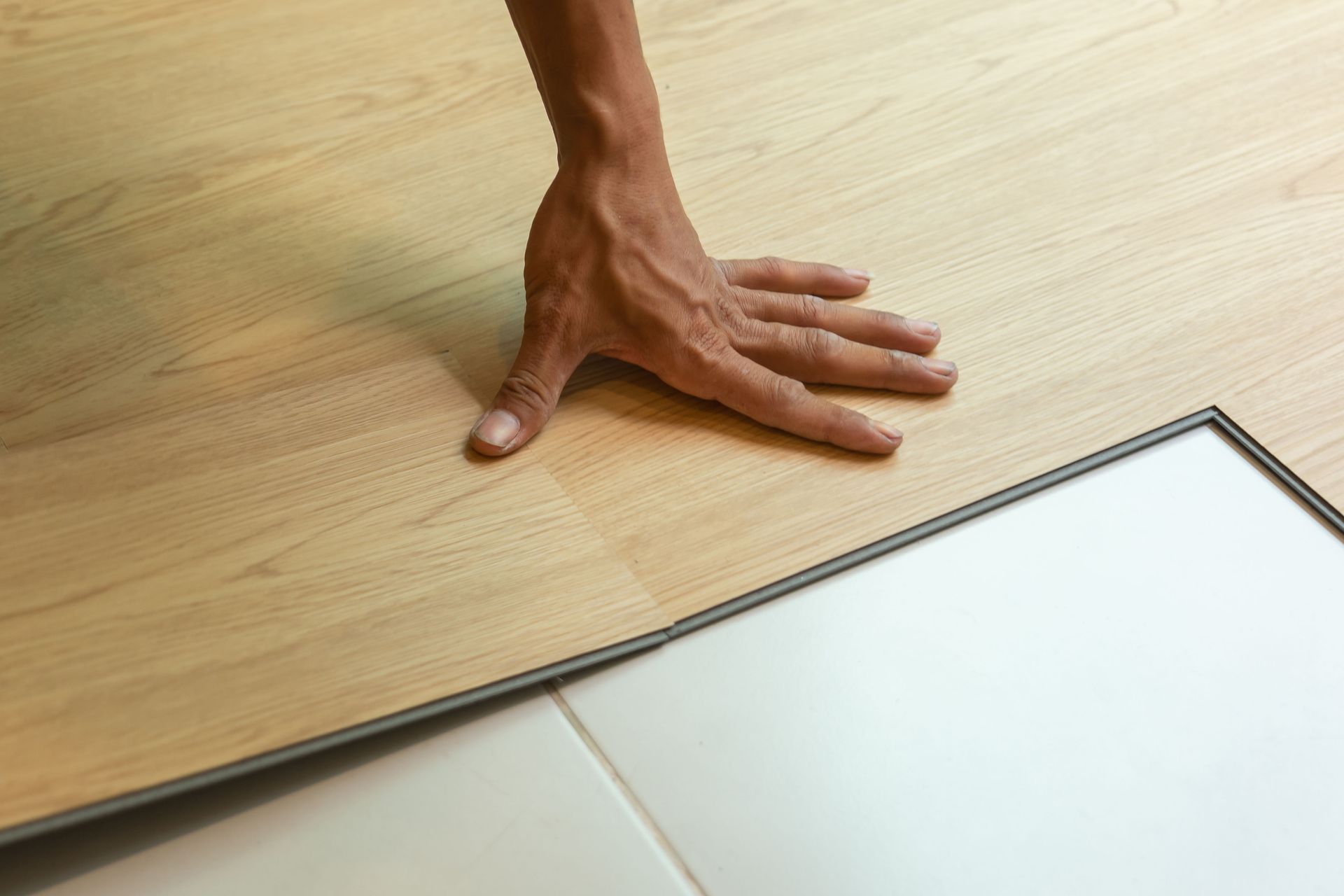
Luxury Vinyl Plank (LVP) has quickly become the gold standard for modern kitchens because it is completely waterproof, highly scratch-resistant, and realistically mimics the look of wood or stone. Another incredibly durable option is porcelain tile, which is dense, impervious to moisture, and nearly impossible to scratch. However, porcelain is very hard underfoot, which can cause fatigue during long cooking sessions, and dropped glassware will instantly shatter. Natural stone is beautiful and unique, but it requires regular sealing to prevent staining from acidic foods like wine or tomato sauce. You should avoid traditional solid hardwood in the kitchen unless you are prepared to wipe up spills immediately, and skip textile flooring entirely. While specialized carpet stores carry heavy-duty utility runners, the main kitchen workspace should remain strictly non-porous.
The Bathrooms: Moisture and Humidity Solutions
When it comes to the bathroom, there is only one rule that truly matters: moisture resistance is everything. The standing water from showers, high humidity levels, and toilet overflows mean that any porous or wood-based material will eventually warp, rot, or harbor mold. Never use solid wood, laminate, or standard carpeting in a full bathroom because these materials absorb moisture rapidly, leading to structural damage and subfloor rot.
Your top choices for the bathroom include porcelain or ceramic tile, luxury vinyl, and waterproof stone. Tile is generally preferred because it can be paired with an under-floor radiant heating system to eliminate the shock of stepping onto freezing floors on winter mornings. If you are updating a powder room or half-bath that does not feature a shower, you have a bit more flexibility, but sticking to moisture-friendly surfaces remains the smartest long-term investment.
The Master Bedroom: A Quiet Sanctuary
Your bedroom is a private retreat—a place designed for rest, recovery, and absolute comfort. Since this room experiences low foot traffic and minimal risk of spills, you can prioritize style and comfort over heavy-duty utility.
For many homeowners, nothing beats the feeling of stepping out of bed onto a soft, warm surface. Exploring reputable carpet stores will reveal a massive array of bedroom-friendly textures, from thick frieze to elegant tip-sheared patterns. Carpet also acts as a natural insulator, trapping heat and absorbing ambient sound to create a quieter, more peaceful sleeping environment. If you prefer the clean look of wood, choose a rich hardwood or high-quality laminate and anchor the bed with a large, ultra-soft rug that extends at least two feet past the sides of the mattress.
The Entryway: A First Impression
Your entryway is the first impression your home makes, but it is also the frontline defense against the outdoor elements. Mud, rain, snow, gravel, and dirt all get tracked into these zones daily.
To keep your home clean and protect the rest of your flooring, choose entry materials that can take a beating. Porcelain tile, slate, and luxury vinyl are ideal because they can be easily mopped, scrubbed, and dried without sustaining damage. If your hallway transitions directly into a carpeted living space, consider visiting experienced carpet stores to ask about high-durability, stain-resistant runners. A heavy-duty runner path can catch debris before it reaches your main living areas, preserving the lifespan of your interior floors.
The Home Office: Ergonomics and Acoustics
With remote work firmly cemented in modern lifestyles, the home office has become a crucial room to design correctly. The right office flooring needs to accomplish two things: withstand the constant rolling of an office chair and provide decent acoustic control for video calls.
Low-pile carpet is a fantastic option for managing echo. If you spend your day on video meetings, a low-pile carpet will absorb background sound perfectly. Just be sure to check out commercial-grade selections at dedicated carpet stores to find fibers dense enough to allow rolling office chairs to move smoothly. Alternatively, hardwood or LVP offers effortless mobility for your chair, but they amplify sound. If you choose wood or vinyl, buy a dedicated plastic or tempered glass chair mat to prevent the wheels from scratching the finish over time.
The Basement: A Versatile Bonus
Basements present a unique challenge because they sit below grade, meaning they are below ground level. They are inherently prone to concrete dampness, seasonal humidity shifts, and the elevated risk of flash flooding.
Historically, basements were covered in cheap concrete paint or thick, musty rugs. Today, modern engineering gives us much better options. Engineered vinyl planks are incredibly popular for basements because they click together over concrete and are completely waterproof. If you plan to convert your basement into a cozy home theater or kids' play zone, you might still want the warmth of carpet. In this case, consult with specialized carpet stores that offer synthetic carpets with moisture-resistant backings. Pairing a synthetic fiber like nylon or polyester with a closed-cell foam pad ensures that your basement stays warm without trapping subterranean moisture.
Finding Your Perfect Match
Every room in your house has a distinct personality and a specific set of physical demands. By evaluating the foot traffic, moisture levels, and comfort needs of each space, you can easily narrow down the perfect material. High moisture levels call for porcelain tile or luxury vinyl, high comfort demands call for plush carpet, and high traffic zones require durable LVP or low-pile runners.
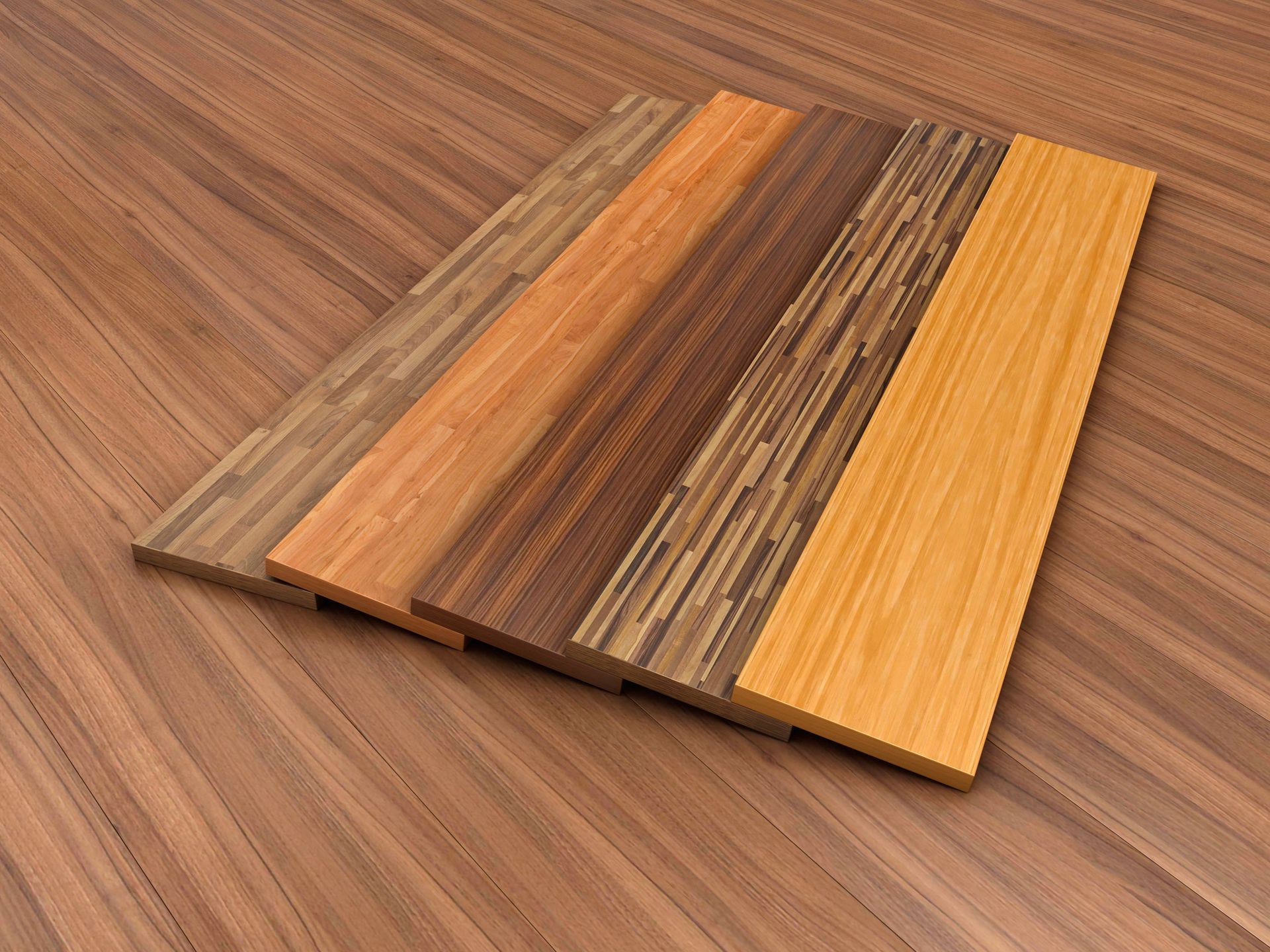
Because flooring is a significant financial investment that defines your home for decades, take your time during the shopping process. Don't be afraid to visit local showrooms and specialized carpet stores to collect physical samples. Take those samples home, lay them down in your rooms, and observe how they look under both natural daylight and your evening artificial lighting. By aligning structural practicality with your personal design aesthetic, you will create a beautiful, durable foundation that elevates your home for years to come. With carpet stores like Taylor Carpets and Flooring, finding the perfect flooring is possible.